
Nashville Best Of 2026 · Best Nature Spot
Radnor Lake State Park
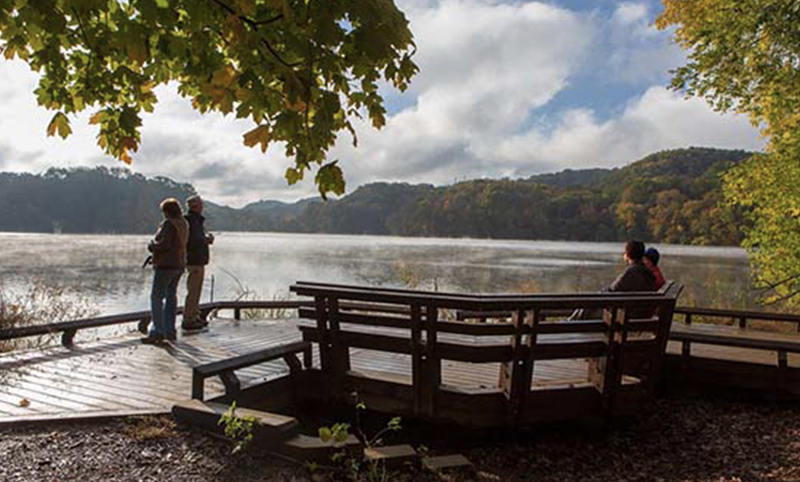
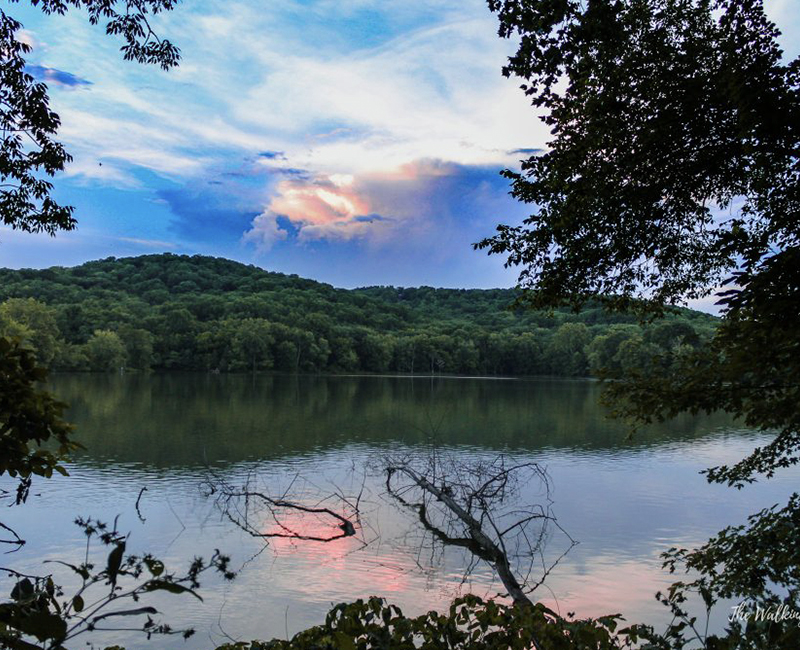
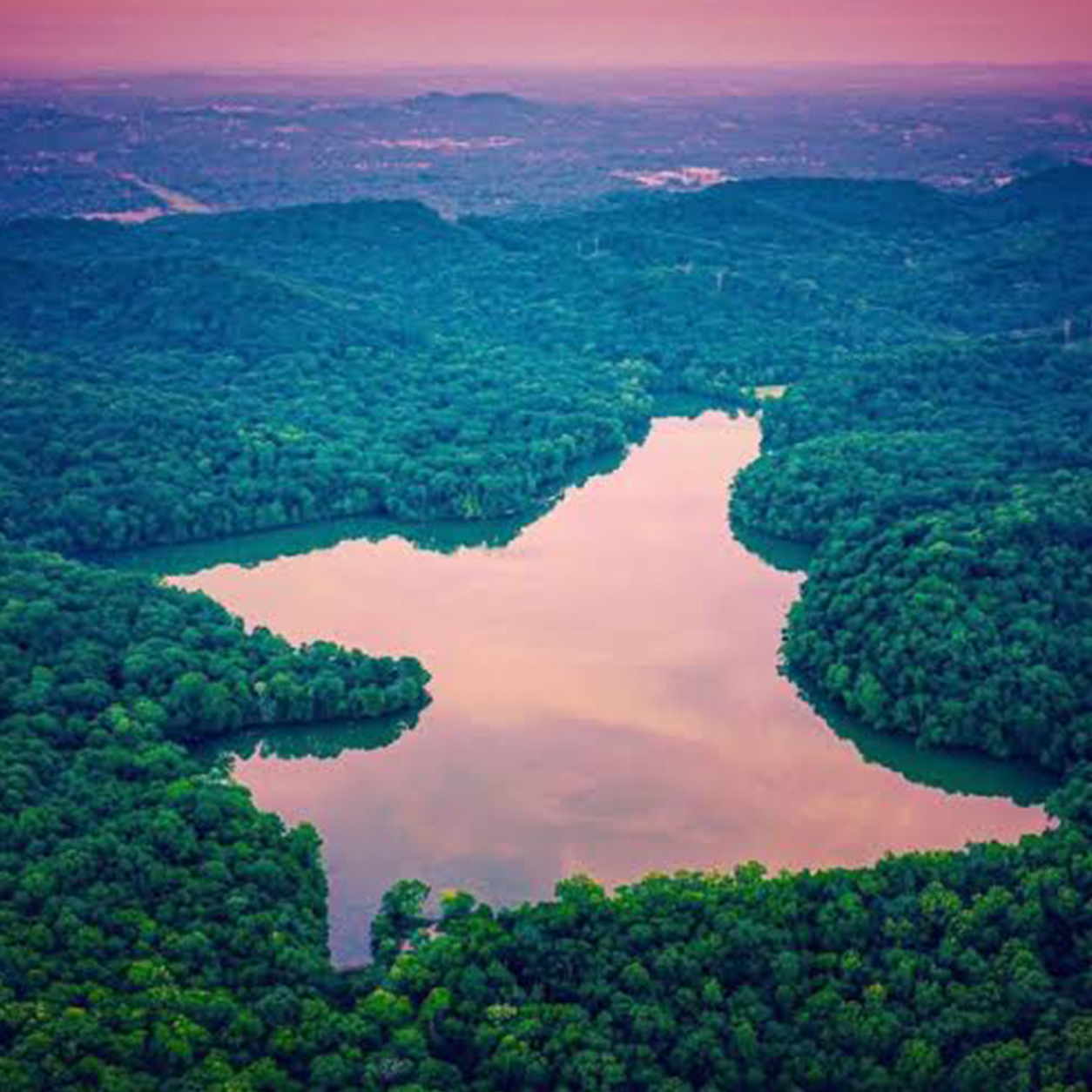
A peaceful 85-acre lake, wooded ridges, and deer grazing just off the trail, all about a 20-minute drive from downtown. Tennessee’s very first State Natural Area, Radnor Lake is our pick for the best place to connect with nature in Nashville.
The Verdict
Why Radnor Lake Earns the Title
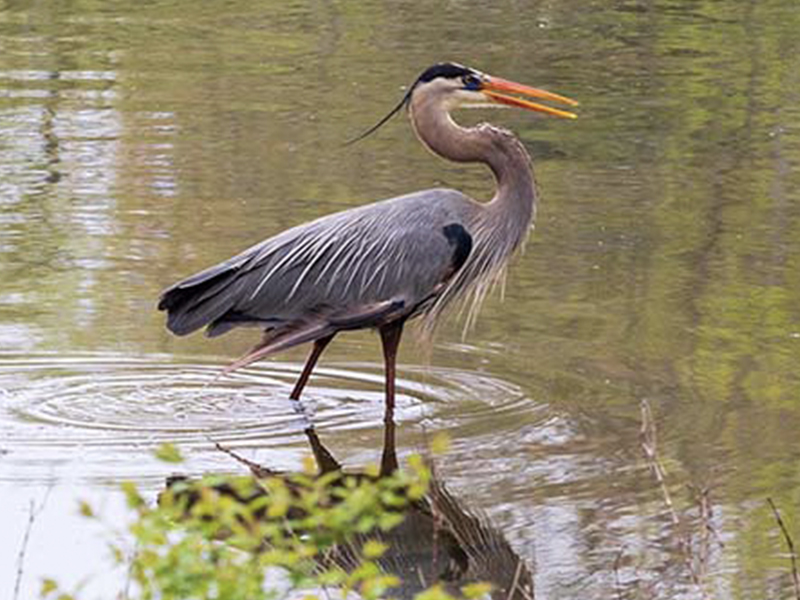
It’s hard to believe a place this wild sits inside Nashville. Radnor Lake’s trails wind along the shoreline and climb forested ridges, where you might spot white-tailed deer, great blue herons, turtles, owls, river otters, and even bald eagles. Wildflowers bloom in spring, the ridges glow with color in fall, and migrating waterfowl fill the lake in winter.
What makes Radnor special is how carefully it’s protected. As a Class II Natural Area, its rules are strict: no pets or jogging on the trails, and no food or picnicking anywhere in the park. The payoff is a rare kind of quiet, where the loudest sounds are birdsong and footsteps. Nashvillians love it so much that parking fills up quickly on beautiful days.
1973
Tennessee’s First State Natural Area
85
Acre Lake, Built in 1914
~1,400
Protected Acres
Free
Admission, 365 Days a Year
Things to Do
Ways to Explore Radnor
Lace up your hiking shoes, bring your binoculars, and leave the snacks in the car.
Hike the Lake & Ridges
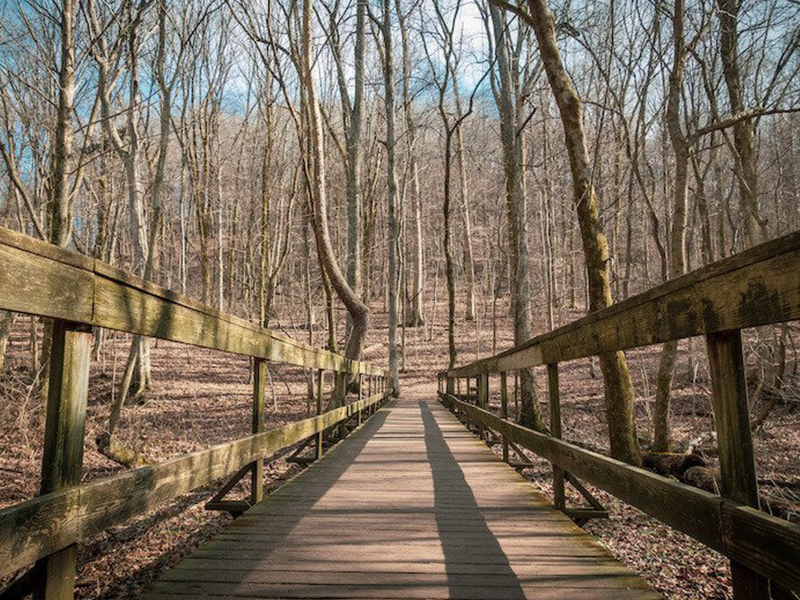
Easy lakeside paths suit casual walkers, while the South Cove and Ganier Ridge Trails climb more than 200 feet for a real workout. Paved Otter Creek Road is open to joggers, cyclists, and leashed dogs.
Spot Wildlife
Radnor is a haven for birds and animals, from herons and owls to otters and deer. Observation decks overlook the lake, and winter brings flocks of migrating ducks to its waters.
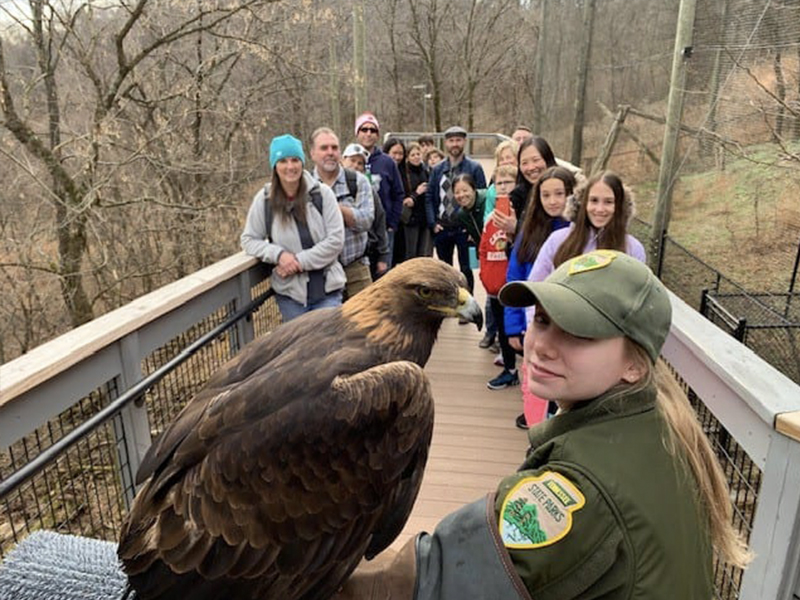
The Aviary & Valve House
The Barbara J. Mapp Aviary Education Center features a 550-foot boardwalk and a netted eagle aviary, while the Historic Valve House Trail reveals the lake’s railroad past.
The Story
Saved by the Community
Radnor Lake began as a railroad reservoir. In 1914, the Louisville and Nashville Railroad dammed Otter Creek to create a lake that supplied water to its steam engines at nearby Radnor Yards. Birds and wildlife flocked to it, and in 1923, at the urging of the Tennessee Ornithological Society, the railroad declared the land a wildlife sanctuary.
When steam gave way to diesel, the land was eventually sold to developers. Between 1971 and 1973, Nashvillians rallied to buy it back with benefit concerts, bake sales, Scout fundraisers, and door-to-door collections, alongside state and federal support. In 1973, Radnor Lake became Tennessee’s first State Natural Area, and today the nonprofit Friends of Radnor Lake continue to protect and expand it.
“Nashville saved Radnor Lake once. Now it returns the favor, one quiet walk at a time.”
Nashville Best Of Editors
Plan Your Visit
Find Your Way to Radnor
Radnor Lake is about eight miles south of downtown Nashville. Arrive early, especially on nice weekends, because parking is limited to marked spaces and fills up fast.
Location
1160 Otter Creek Road
Nashville, TN 37220
(615) 373-3467
The visitor center is only accessible by car from Granny White Pike.
Hours
Trails: 6 am to 20 minutes after sunset, every day
Visitor Center: Thursday through Monday (closed 1–2 pm for lunch); closed Tuesday and Wednesday
Park Rules
Pets, jogging, and bikes are allowed only on Otter Creek Road, not on the trails, and food and picnicking aren’t allowed in the park. Stay on marked trails and wear good hiking shoes.
Take a Walk on the Wild Side
Grab your hiking shoes and binoculars, and discover the quiet corner of Nashville that locals treasure most.